why do you feel lonely even when people are around you?
You can feel lonely even when people are around you because being around people isn’t the same as feeling connected. Learn how people-pleasing, holding parts of yourself back, and not feeling fully seen can create emotional loneliness.

how do I set boundaries without hurting their feelings?
Learn how to set boundaries clearly without taking responsibility for someone else’s feelings, and why getting comfortable with their discomfort is part of setting healthier boundaries.

how do I make my relationships feel more equal?
Making your relationships feel more equal starts with making more room for yourself. Learn how expressing yourself, setting firmer boundaries, and prioritizing your own needs can create more balanced relationships.

why do my relationships feel so one-sided?
Your relationships may feel one-sided when you’ve learned that self-sacrifice is the price of love and acceptance. When overgiving and putting other people’s needs first feels necessary to keep connection, it’s easy to lose yourself in relationships.
Your relationships may feel one-sided when you’ve learned that self-sacrifice is the price of love and acceptance, making it important to recognize when overgiving is costing you your sense of self

what do i need to do to stop feeling so anxious all the time?
What can you do when you feel anxious all the time? Learning to manage anxiety isn't always about getting rid of anxious thoughts or forcing yourself to calm down. This article explores how observing anxiety without becoming consumed by it can help you feel more grounded, respond differently to anxious thoughts, and stop letting anxiety control your life.

I know where my issues come from… but how do I actually change them?
I know where my issues come from—but how do I change them? Awareness is the first step; here’s what to do next.

Why do I keep dating the same kind of people who hurt me?
Why do you keep attracting the same kind of person in your romantic relationships? It may be deeper then just “having bad taste”.

Your Nervous System Doesn’t Care About Your New Year’s Resolutions
January tells you to try harder, do more, and finally fix yourself.
But your nervous system doesn’t work on calendars or resolutions.
If you grew up in survival mode—walking on eggshells, managing adults’ emotions, or learning to override your own needs—your body learned that safety came from staying alert and useful. So when the New Year brings pressure to improve, your nervous system doesn’t feel motivated. It feels threatened.
This isn’t laziness. It’s protection.
Healing doesn’t start with willpower or goals. It starts with safety, listening, and honoring the rhythms your body has been following all along—especially in winter.

You’re Not Meant to Bloom in Winter
In nature, winter is not a failure or a pause. It’s the season of inward movement, quiet repair, and strengthening beneath the surface. This reflection explores rest as an act of resistance, seasonal rhythm, and why slowing down may be exactly what your body is asking for right now. Despite the unspoken pressures of conditioned society.

Why the Holidays Hurt When You Grew Up with Emotionally Immature Parents
The holidays can feel especially painful when you grew up with emotionally immature parents. Even if nothing “bad” happens, your body may brace, old roles may resurface, and guilt may creep in for having needs at all. Through a Lindsey Gibson–informed lens, this piece explores why the holidays can reopen old wounds for adult children of emotionally immature parents—and how honoring your emotional truth is a meaningful part of healing.

Why do I keep repeating the same patterns even though I know better?
If you keep finding yourself in the same painful patterns; overgiving, choosing unavailable partners, or silencing your needs even when you “know better” — it isn’t because you’re broken. It’s because your subconscious is still operating from old messages you absorbed long before you had words for them.
Subconscious reprogramming helps you reach the deeper mind where those patterns were formed — so you can release the beliefs that once kept you safe but now keep you stuck. Through hypnotherapy, holistic and spiritual therapy, and integrative trauma work, I help women heal the root imprints of “not enough,” and rewire their inner world for safety, self-trust, and connection.

What is ketamine assisted therapy?
Ketamine therapy offers a way to soften those old survival patterns that were created from the childhood trauma of being emotionally invisible. Ketamine assisted therapy can open the door to new perspectives, and reconnect you with your true self. By blending psychotherapy with the medicine’s unique ability to create new neural pathways, ketamine-assisted therapy can help you shift the belief that you are “not enough” and begin to trust your inner voice.

were you Walking on Eggshells as a Child? Signs You Carry Trauma Into Adulthood
Childhood trauma doesn’t just live in the past—it shows up in your relationships, self-esteem, and nervous system today. If you grew up with emotionally immature parents, you may still be carrying the imprint of their absence. Learn the signs, how they affect you now, and what healing can look like through integrative therapy.

What Is Anxiety Therapy? How It Works and What to Expect
Anxiety isn’t just “stress.” It’s often a survival strategy rooted in early childhood experiences that now show up as perfectionism, self-doubt, or constant overthinking. In this blog, I share what anxiety therapy really is, how it works, and what you can expect from the process—so you can begin to untangle the patterns holding you back.

Rebuilding Self-Esteem: Therapy for Women Who Feel “Not Good Enough”
Rebuilding Self-Esteem: Therapy for Women Who Feel “Not Good Enough”
Have childhood messages left you anxious, perfectionistic, or convinced you're never enough? This blog explores powerful, compassionate approaches—like inner-child reparenting, hypnotherapy, ketamine-assisted sessions, and nature-based work—that gently rewire self-belief. Learn how trauma-informed therapy supports healing self-doubt and fostering self-trust, so you can start feeling whole again.

Why CAn’t I stop people pleasing? breaking the addiction to saying “yes”
Do you ever wonder, “Why can’t I stop people-pleasing?” If you grew up with emotionally immature parents, chances are people-pleasing became your survival strategy. As an adult, it can leave you stuck in self-doubt, perfectionism, guilt, and relationships with emotionally unavailable partners. In this blog, I explore why people-pleasing starts in childhood, the hidden costs of constantly putting others first, and how therapy—including holistic approaches like mindfulness, somatic work, hypnotherapy, and ketamine-assisted therapy—can help you set boundaries, trust your intuition, and finally feel good enough without having to earn love.

Why I Keep Ending Up with Emotionally Unavailable Partners
Do you keep finding yourself with emotionally unavailable partners, even though you swear you want something different? If you grew up with emotionally immature parents, the answer isn’t that you’re broken—it’s that your nervous system learned to equate distance and unpredictability with love. This blog explores how childhood dynamics shape adult attraction patterns, why “chemistry” often pulls us toward familiar but painful dynamics, and how therapy can help you break free and choose a steadier, more nourishing love.
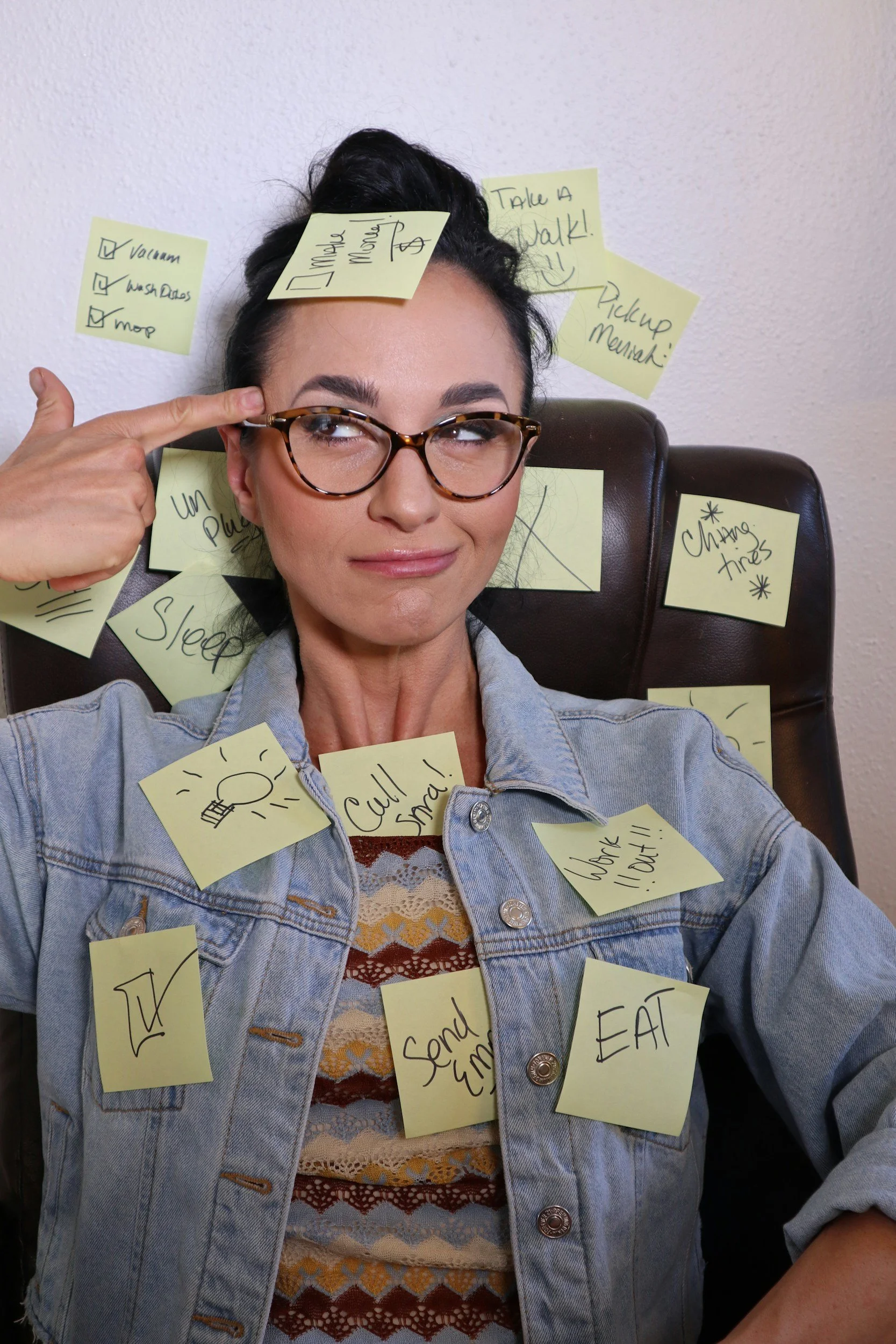
Why I Feel Responsible for Everyone: Healing After Growing Up with Emotionally Immature Parents
You’ve always been the dependable one — the person everyone turns to when something needs to get done. But beneath the reliability is a quiet exhaustion, a sense that your needs are always last on the list. If you grew up with emotionally immature parents, this over-responsibility isn’t just a personality trait — it’s a survival strategy you learned as a child. In this blog, I share how those patterns form, how they follow you into adulthood, and how therapy can help you finally put down the weight you’ve been carrying for everyone else.

Your Brain on Ketamine, explained simply
What does ketamine actually do in the brain—and how can it help you heal? This blog breaks down the science behind ketamine-assisted therapy in simple, clear terms. Learn how ketamine increases neuroplasticity, softens rigid thinking patterns, and quiets the inner critic so you can create lasting change in your mental health. Whether you're navigating anxiety, depression, or trauma, this post will help you understand how ketamine supports true, cellular-level healing.

