Why the Holidays Hurt When You Grew Up with Emotionally Immature Parents

For some people, the holidays are cozy and connective.
For others, they quietly reopen wounds that never fully healed.
If you grew up with emotionally immature parents, the holidays can feel less like a celebration and more like an emotional endurance test. Even if nothing “bad” happens, your body may brace as the season approaches. You might feel irritable, heavy, numb, or inexplicably anxious—long before you arrive at a family gathering.
This isn’t because you’re dramatic, ungrateful, or doing something wrong.
Psychologist Lindsey C. Gibson, PsyD, describes emotionally immature parents as caregivers who struggle to respond to their child’s inner world with empathy, consistency, and emotional attunement. Rather than feeling emotionally seen and supported, children in these families often learn to adapt by becoming easy, self-sufficient, or emotionally invisible.
During the holidays, these early adaptations tend to resurface.
The same family dynamics.
The same unspoken rules.
The same pressure to be “fine” no matter what’s actually happening inside.
If you’ve ever wondered why the holidays feel so much harder for you than they seem to for others, this understanding can be deeply clarifying.
What emotional immaturity actually looks like
Emotional immaturity doesn’t always look dramatic or abusive. In many families, it shows up subtly and persistently, which is why it’s so hard to name. People who grew up with emotionally immature caregivers often say they had a “good” childhood, but at the same time it was pretty tough.
Emotionally immature parents may:
Feel overwhelmed by emotions (theirs or yours)
Dismiss or minimize emotional needs
Take things personally or become defensive
Rely on their child for emotional regulation
Struggle with accountability or repair
As a child, you likely learned that expressing your feelings didn’t lead to comfort, tenderness, or support. Contrary, it often led to discomfort, withdrawal, or chaos. So you adjusted so that you could emotionally survive in that envrionment.
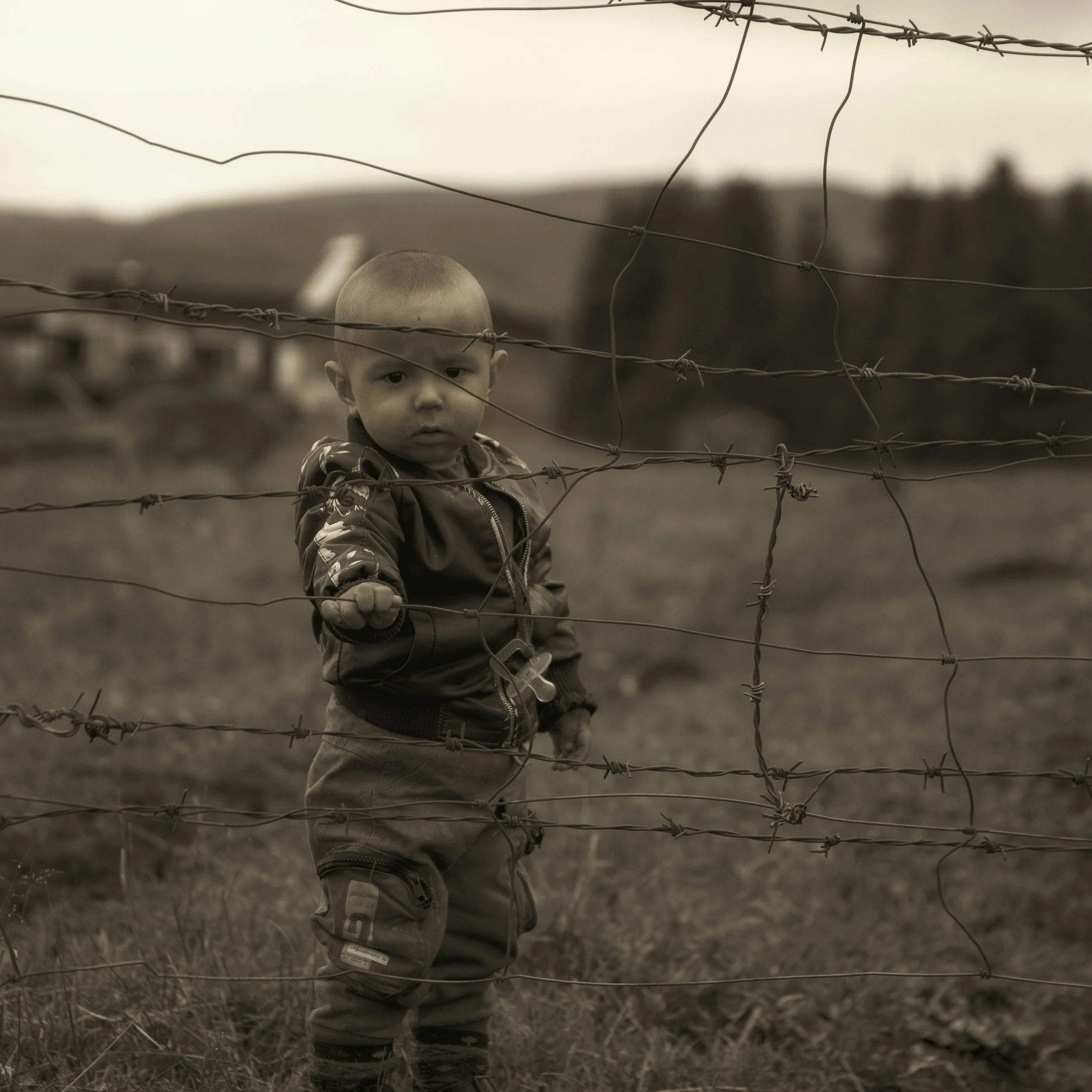
You may have become:
The peacekeeper, scanning the room and smoothing tension
The parentified one, managing adult emotions too early
The “good” kid, praised for being easy and undemanding
Or the hyper-independent one, who learned not to need anyone
These roles were never personality traits. They were survival strategies.

Why the holidays are especially activating:
1. Old roles resurface automatically
The holidays recreate the original family system. The same expectations, dynamics, and emotional rules quietly return—even if no one talks about them. You may find yourself slipping back into old roles without consciously choosing to.
Your nervous system remembers what it once needed to do to belong.
2. Emotional labor increases—and goes unacknowledged
You might be managing everyone’s comfort, emotions, and expectations while your own experience remains invisible. This emotional labor is exhausting, especially when it’s framed as “just how you are.”
3. Your growth disrupts the system
If you’ve been healing—setting boundaries, naming feelings, or taking up more space—it can subtly threaten a family system built around emotional avoidance. Even small changes in you may be met with guilt, withdrawal, or comments that imply you’ve changed for the worse.
From a Lindsey Gibson–informed lens, emotionally immature people often struggle with differentiation. Your growth can feel unsafe to them, even when it’s healthy.
4. Grief comes closer to the surface
The holidays can bring up a quiet, aching grief for the family experience you didn’t have. Not dramatic grief—just the awareness that things could have felt warmer, safer, or more mutual.
That grief deserves compassion, not dismissal.

The pressure to “just be grateful”
Many adult children of emotionally immature parents carry an internalized belief that gratitude should override pain.
You may tell yourself:
“They did the best they could.”
“Others had it worse.”
“I shouldn’t feel this way.”
Two things can be true at the same time:
Your parents may have loved you in the ways they knew how.
Your emotional needs may still have gone unmet.
Healing doesn’t require villainizing your parents.
It does require being honest about your experience.
Gratitude doesn’t heal what was never acknowledged.
When your body reacts before your mind does
For many people who grew up emotionally unseen, the holidays are experienced less cognitively and more somatically.
You might notice:
Tightness in your chest or throat
A stomach drop before family interactions
Fatigue, irritability, or dissociation
An urge to numb, overfunction, or withdraw
These reactions aren’t overreactions. They’re nervous-system memory.
Your body learned early that certain environments required vigilance. Even if your adult mind knows you’re safe, your system may still be responding to old emotional conditions.
This is why willpower and positive thinking often fall short. Healing needs to include the body and the subconscious patterns formed long before language.

Why boundaries can feel so hard
In families shaped by emotional immaturity, boundaries are often experienced as rejection or punishment. As a child, asserting yourself may have led to guilt, withdrawal, or conflict—so your system learned that staying quiet was safer.
From a Lindsey Gibson–informed perspective, boundaries are not about controlling others. They are about emotional self-protection.
A boundary might sound like:
“I’m not going to engage in this conversation.”
“I need to step away for a bit.”
“I’m leaving earlier than usual this year.”
You don’t need permission for a boundary to be valid.
Discomfort from others doesn’t mean you’ve done something wrong.
There is no “right” way to do the holidays

One of the most painful beliefs adult children of emotionally immature parents carry is that there’s a correct way to show up—and that ANY deviation equals failure.
Healing invites flexibility, not perfection.
For some people, healing may look like:
Shorter visits
More alone time
Nontraditional celebrations
Or opting out altogether
For others, it may look like staying, but with clearer internal boundaries and gentler expectations of yourself.
There is no universal formula.
Your nervous system, history, and capacity matter.
How therapy can support this work

In my solo practice, I work with adults who grew up emotionally unseen—often thoughtful, high-functioning people who learned to survive by being easy, capable, or self-sufficient.
My approach is holistic, depth-oriented, and highly individualized. Rather than offering surface-level coping strategies, I help clients understand the emotional logic behind their patterns—so change feels possible and sustainable.
Depending on your needs, our work may include:
Depth-oriented psychotherapy to explore attachment and relational patterns
Hypnotherapy to access subconscious beliefs formed in childhood
Spiritual and holistic therapy for those drawn to meaning-making beyond the intellect
Psychedelic-informed and ketamine-assisted therapy (when appropriate) to support deep emotional processing and integration
What often differentiates this work is the space to finally name what has gone unspoken. Many clients share that they’ve never said these truths out loud before, and maybe never truly acknowledged it themselves. This naming gives relief and freedom, not overwhlem.
You don’t have to earn rest or belonging

If the holidays bring up guilt, exhaustion, or grief, it doesn’t mean you’re failing at healing. It means your system remembers what it learned.
You are allowed to:
Protect your energy
Honor your limits
Feel conflicted
Want something different
Healing doesn’t mean the holidays suddenly become easy. It means you no longer abandon yourself to get through them.
If you’re curious about working together, I offer online therapy in New York and New Jersey and work as an out-of-network provider. You’re welcome to reach out for scheduling and pricing information to explore whether this feels like the right fit.

