Your Nervous System Doesn’t Care About Your New Year’s Resolutions
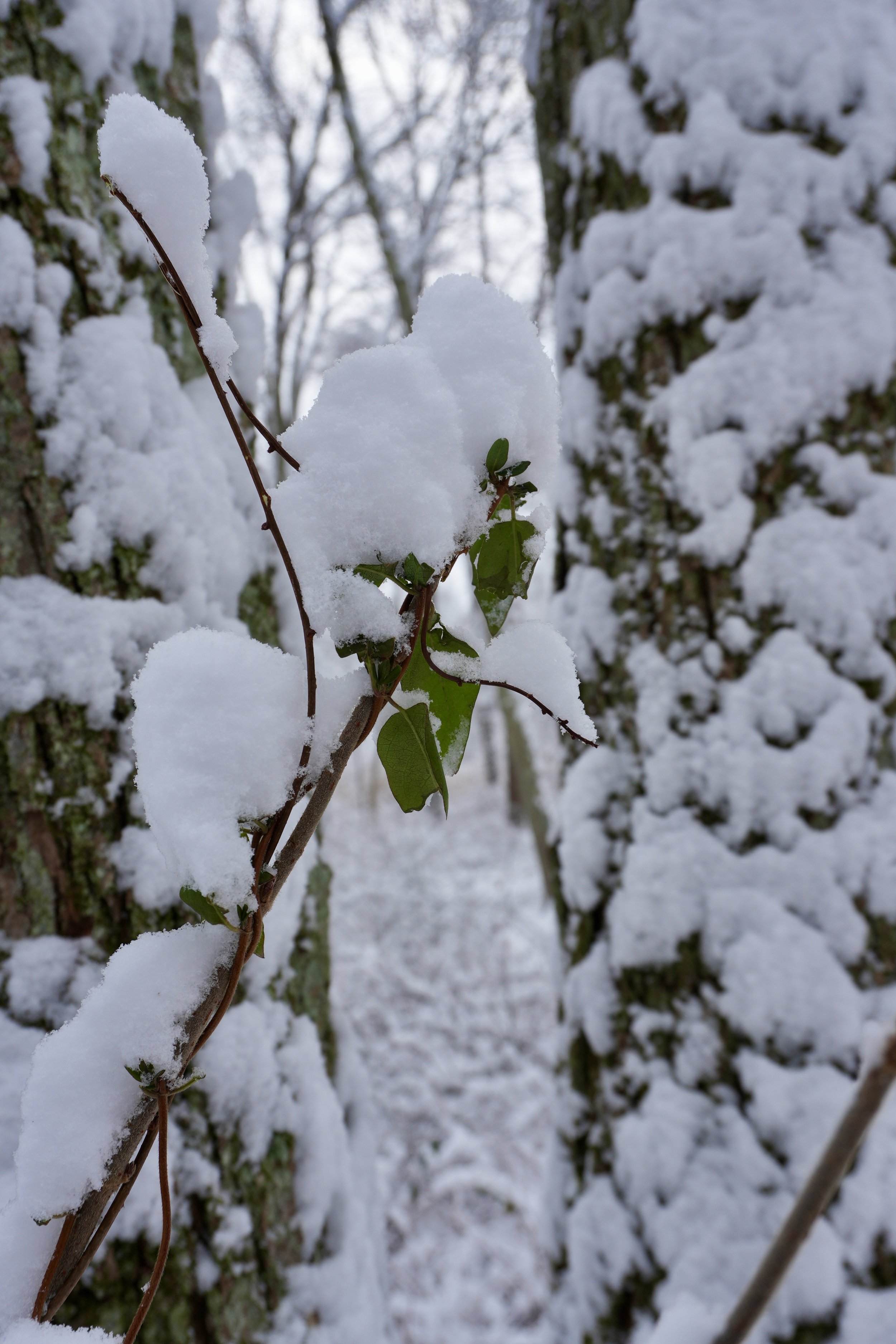
Why Safety, Not Willpower, Is the Real Starting Point for Healing
Every January arrives with the same cultural demand:
start over
try harder
become better
New Year’s resolutions are often framed as hopeful—an opportunity to reset, re-commit, and finally become the version of yourself you’ve been striving toward. But for many people, especially those who grew up in survival mode, January doesn’t feel inspiring. It feels tightening. Heavy. Pressurized.
If you notice resistance instead of motivation this time of year, it’s easy to assume something is wrong with you. That you’re undisciplined, unmotivated, or failing at self-improvement.
But what if that story misses the point entirely?
Your nervous system does not operate on calendars, productivity cycles, or cultural expectations. It operates on safety and trust. And this is not something you can force with willpower.
The Nervous System’s Job Is Not Growth; It’s Survival
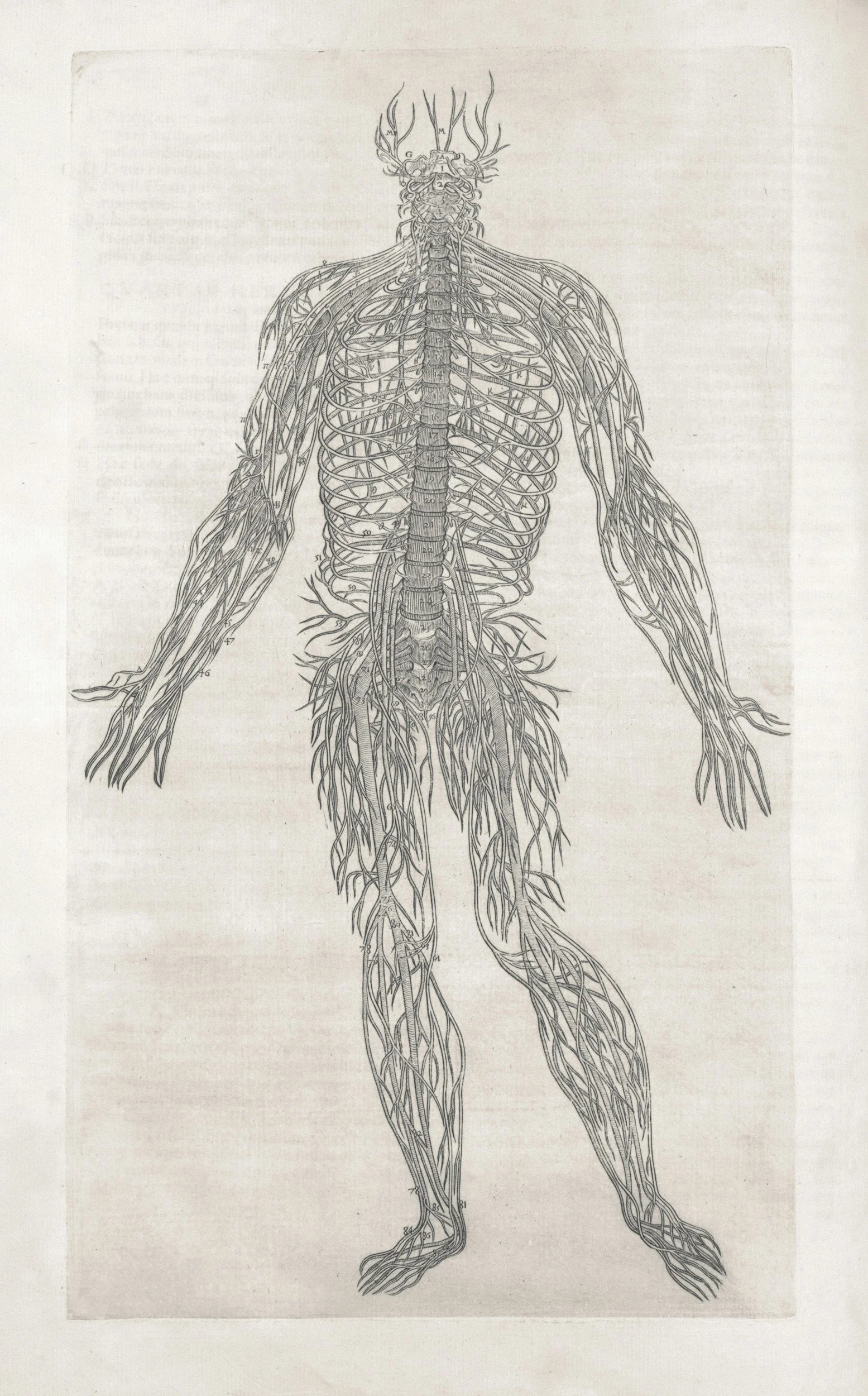
The human nervous system has one core priority: keeping you safe.
Not optimized.
Not productive.
Not healed on a timeline.
Safe.
When safety is consistent during childhood—emotionally, relationally, and physically—the nervous system develops flexibility. It learns that stress comes and goes. That rest is available. That needs can be expressed without consequence. In those conditions, growth and challenge feel tolerable, even energizing.
But when safety is inconsistent or conditional, the nervous system adapts.
Many adults I work with grew up in environments where they learned, often very early, that connection required effort. That love was unpredictable. That moods had to be managed. That needs needed to be minimized.
If you grew up:
Walking on eggshells
Managing or anticipating adults’ emotions
Being praised for being “easy,” “mature,” or “low-maintenance”
Learning to override your own feelings to keep peace
Your nervous system learned a powerful lesson: staying alert and useful was safer than being real.
This is not pathology.
It’s adaptation.
And adaptive patterns don’t disappear simply because we decide to set new goals.
Why Willpower Often Fails — Especially for People Who Grew Up in Survival Mode
Willpower is often celebrated as the solution to everything. If you could just try harder, commit more fully, or push through resistance, you’d finally change.
But willpower works best when the nervous system already feels safe.
For a system shaped by survival, willpower often feels like pressure. And pressure is interpreted by the body as threat.
So when January’s messaging ramps up—do more, fix yourself, you’re behind—many nervous systems don’t respond with motivation. They respond with shutdown, anxiety, fatigue, or numbness.
That’s not a character flaw.
That’s physiology.
A nervous system that has spent years overriding its own limits eventually hits a wall. And when it does, the body applies the brakes.
This Isn’t Laziness — It’s a need

One of the most common and harmful myths I see is the belief that rest must be earned.
.
For many adult children of emotionally immature, overwhelmed, or unavailable caregivers, doing became a survival strategy. Being helpful, competent, agreeable, or emotionally attuned was often the closest thing to safety or approval.
Over time, the body internalizes a quiet but powerful story:
If I keep going, maybe I’ll finally be loved.
So when the nervous system eventually says no more, it’s not failing.
It’s protecting you from collapse.
The exhaustion, resistance, or desire to slow down that often surfaces in January is not evidence that you’re broken. It’s evidence that your system is asking for a different approach.
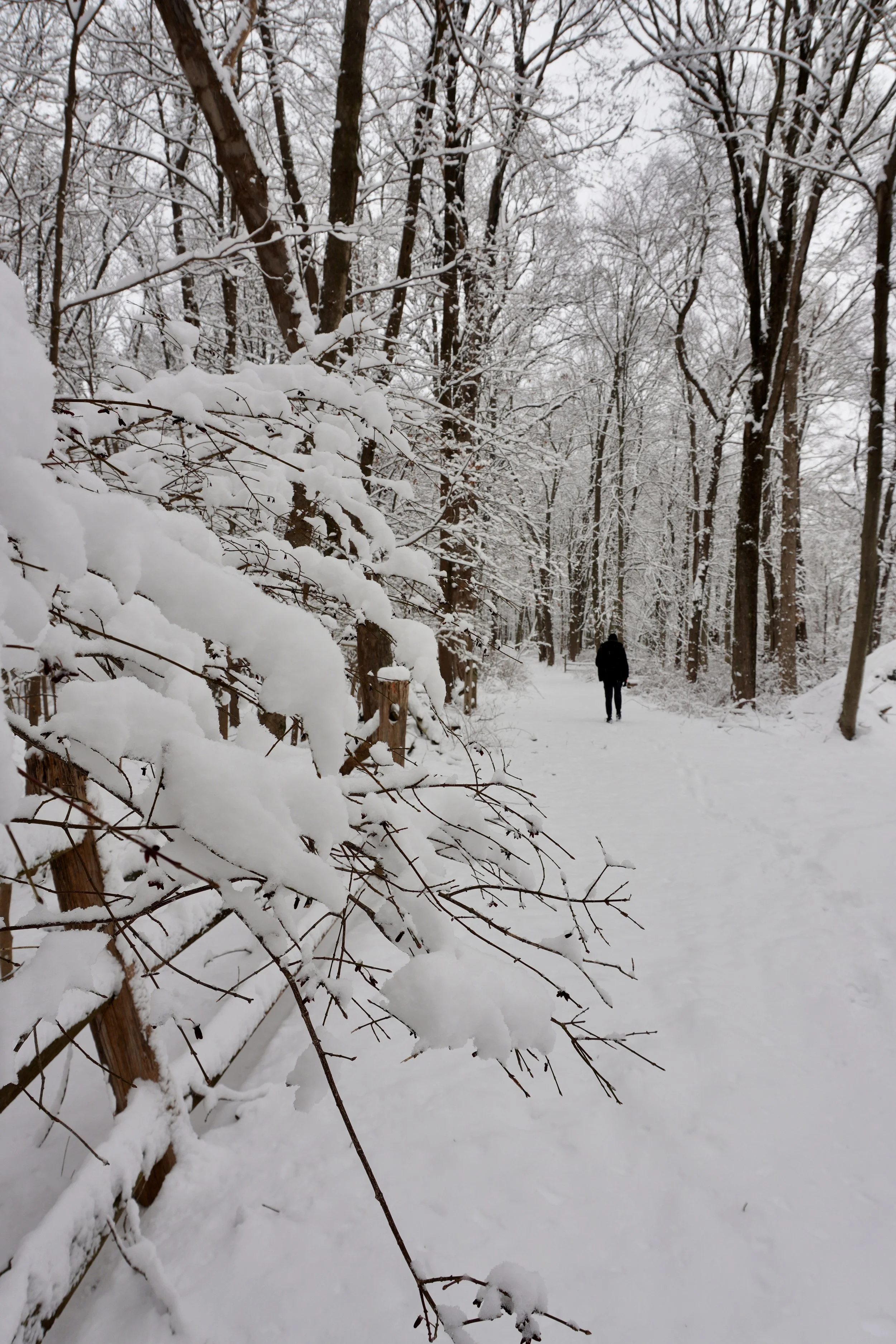
Winter Is Not a season for new Beginnings — And Neither Are You
Modern culture treats January as a clean slate. But nature does not.
Winter is not a season of beginnings. It is a season of rest, conservation, and inwardness. Seeds don’t sprout. Trees don’t bloom. Energy turns inward to preserve life.
Human nervous systems follow the same rhythms, whether we acknowledge them or not.
When we attempt to force renewal in the middle of winter—physically, emotionally, or psychologically—the body resists. Not because it’s lazy or uncooperative, but because it is aligned with a deeper intelligence.
You are not separate from nature.
Your nervous system mirrors it.
Healing that ignores seasonality, rhythm, and capacity often replicates the very pressure that caused harm in the first place.
What Healing Actually Requires
Healing does not begin with goals. It begins with safety.
Safety is not an abstract concept. In therapeutic work, it shows up as:
Moving at a pace your nervous system can tolerate
Learning to listen to bodily cues instead of overriding them
Naming patterns without shaming them
Being gently called out when survival strategies are running the show
Building trust over time, not rushing insight
This is why I take a deeply relational, personalized approach in my work. There is no one-size-fits-all healing process. Each nervous system has its own history, thresholds, and wisdom.
In my solo practice, therapy is not about forcing change. It’s about creating the conditions where change can happen naturally.

My Approach: Nervous-System-Informed, Spiritual, and Grounded
My work integrates traditional psychotherapy with spiritual and shamanic perspectives, hypnotherapy, and psychedelic-informed care. This does not mean bypassing the nervous system—it means listening to it more deeply.
Spiritual insight without regulation can overwhelm the body.
Somatic work without meaning can feel incomplete.
Healing requires both.
In sessions, humor is welcome. Spiritual curiosity is welcome. Resistance is welcome. And yes—I will gently call you out when old patterns are protecting you more than they’re supporting you.
That call-out is never shaming. It’s relational. It’s paced. It’s grounded in respect for how your system learned to survive.
What Working Together Looks Like
The Intake Process
Therapy begins with a free 15-minute intro call. This is a chance for us both to feel into whether working together makes sense. There is no pressure to commit. Fit matters.
During this call, we talk briefly about what’s bringing you in, what you’re hoping for, and whether my approach feels aligned.
After Care Is Established
Once we begin working together, therapy is typically weekly and intentionally gentle. Trust is built over time. There is no rush to uncover everything at once.
Sessions may include:
Talk therapy grounded in nervous-system awareness
Hypnotherapy to access subconscious patterns
Spiritual or symbolic exploration when appropriate
Reflection on relational dynamics and survival strategies
Gentle confrontation when humor, intellect, or spirituality is being used to avoid what’s tender
The work adapts to you—not the other way around.
A Gentler Way to Begin the Year

2026 does not need to start with a list of things to fix.
It can start with listening.
With slowing down.
With respect for what your body has already carried.
Healing is not about pushing yourself into transformation. It’s about creating safety first—so growth becomes possible without force.
If you want to explore nervous-system-informed therapy, spiritual integration, or ecotherapy in Westchester, NY, I offer both online therapy and in-person nature-based sessions.
You’re welcome to reach out to schedule a free intro call and see if this work feels like the right next step.
You don’t need to override yourself to heal.
You’re allowed to arrive gently.